Who it’s for
Parents, caregivers, and professionals who want practical, research-informed ways to support children’s independence — including when anxiety, avoidance, or family patterns get in the way of everyday skills.
Independence Therapy · Great Neck, NY
Independence Therapy is an approach co-developed by Dr. Ortiz and Dr. Matthew Fastman. Children choose fun, sometimes challenging tasks to do on their own, while parents work with the therapist on their own reactions. The goal is real-world independence that lasts beyond the therapy room.

Dr. Ortiz is a board-certified clinical psychologist (Behavioral and Cognitive Psychology) based in Great Neck, New York. His approach draws on cognitive-behavioral principles and about 25 years of clinical experience, alongside research, teaching, speaking, and public education.
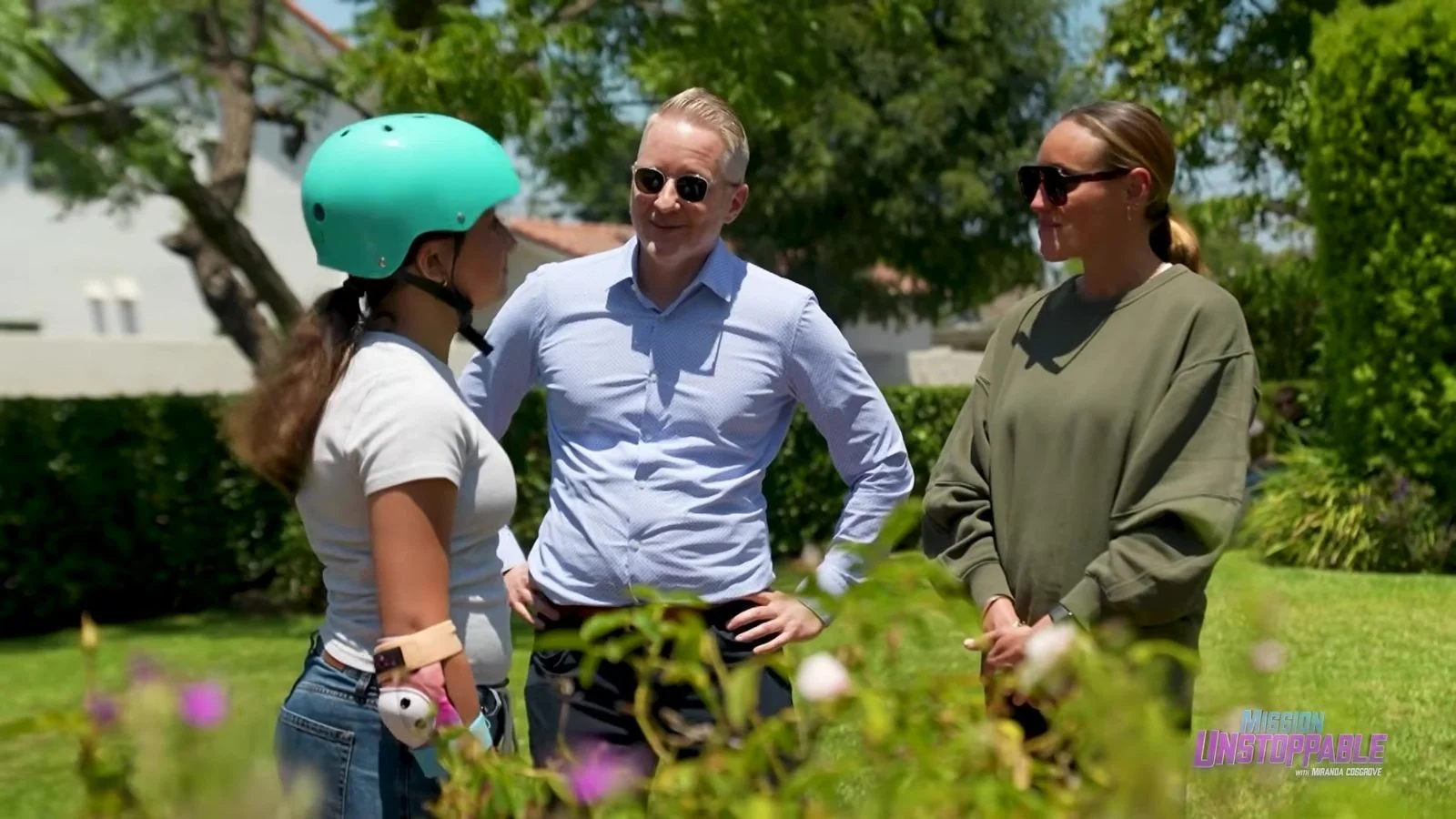
Parents, caregivers, and professionals who want practical, research-informed ways to support children’s independence — including when anxiety, avoidance, or family patterns get in the way of everyday skills.
Clinical care and consultations are offered through Cognitive Behavioral Associates (CBA). If you are seeking treatment or a clinical path, start there.
Independence Therapy is typically a short course of care — about five sessions in the published study — built around planning and practicing independence activities. Exact length and pacing are clinical decisions made with each family through CBA. In broad terms, families and the therapist:
Parents learn why independence matters for anxious kids, and how stepping in too quickly can keep avoidance going. Early sessions often focus on parents’ reactions as much as the child’s.
Children help choose fun, sometimes challenging tasks to try on their own — with a mild risk of discomfort — rather than tasks that look like classic exposure to a specific fear.
Kids try activities between sessions. The therapist and family review what went well, problem-solve stuck points, and choose the next steps.
Parents work on their own thoughts, feelings, and habits — including how to loosen the reins — while their child builds real-world skills.
Independence activities are child-directed, fun, unstructured, and done without parent help. Examples families often discuss (drawn from CBA’s public Independence Therapy materials and Dr. Ortiz’s writing) include:
The point is not recklessness. It is practice with everyday independence — including mild discomfort — so kids learn they can handle more than they thought.
Read the article: Five everyday ways to build child independence →

A free, printable list of everyday activities that help kids build independence, one small step at a time. Use it at home, or share it with families you work with in Independence Therapy.
Download the free list (PDF) ↓Have an activity that worked for your child or the families you see? We’d love to hear it. Good ideas may be added to the list so other families can try them too.
Suggestions are reviewed before being added. Please don’t include private or health information about a child.
Classic exposure asks a child to face the specific thing they fear (with escape blocked), so anxiety can come down through practice with that cue. It is a gold-standard approach for many anxiety problems — and many clinicians still under-use it.
Independence activities are chosen so they are not a direct copy of the child’s fear. They still target mechanisms that keep anxiety going — including avoidance, parental overinvolvement, and low practice with uncertainty — by building independence itself.
In short: exposure matches the fear on the surface; Independence Therapy works on related skills through parent-free, child-chosen challenges. Families should decide with a clinician which approach fits.
Dr. Ortiz and Dr. Fastman published a pilot study of the approach in the Journal of Anxiety Disorders in 2024. In this pilot study, children showed meaningful improvements in anxiety and avoidance after about five sessions of independence activities. As with any new approach, more research will help clarify who benefits most.
Dr. Ortiz discusses the ideas for parents and clinicians in talks and writing collected on Research & media, including coverage of Independence Therapy in national media.

Some worry is normal. When anxiety starts shrinking a child’s life — school, sleep, friendships, or everyday tasks — it is worth a closer look. A clinician can help sort typical jitters from a pattern that needs support.
Avoidance often feels kind in the moment and can quietly train the brain that the scary thing is unbearable. Stepping back is hard; it is also often part of helping kids grow. See why avoidance keeps child anxiety going.

Start small, pick activities your child helps choose, and expect some discomfort on both sides. CBA’s Independence Therapy page and the article on everyday independence activities list concrete examples.
Clinical care is through Cognitive Behavioral Associates in Great Neck. Call (516) 858-4328 or visit cbtreatment.com/independence-therapy.
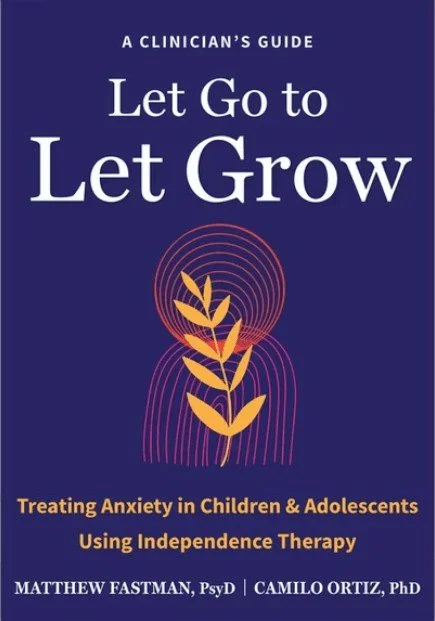
Let Go to Let Grow: A Clinician’s Guide (New Harbinger, June 2027) by Dr. Camilo Ortiz and Dr. Matthew Fastman, with a foreword by Lenore Skenazy, presents the approach for clinicians. Preorder on Amazon →
Let Grow offers The Let Grow Experience, a free program that has kids do new things on their own, and it helped inspire the first Independence Therapy study by Dr. Ortiz and Dr. Matthew Fastman. Let Grow shares Independence Therapy resources, including Dr. Ortiz’s free manual for therapists, and Let Grow co-founder Lenore Skenazy wrote the foreword to Let Go to Let Grow: A Clinician’s Guide.

Media appearances on child independence (including Mission Unstoppable on YouTube)
